rug hooking information

Sandra Brown's Introduction to Rug Hooking
The Home
Page
The Pittsburgh
Rug Hooking Frame
Sandra Brown's
Gallery of Rugs
Workshops, Exhibitions
& So'Journey Farm
Resources, Supplies
Books & Links
Interesting Women
& Other News

rug hooking

An Introduction to the Art of Rug Hooking

crafts
Rug hooking is one of the easiest and most centering hand crafts in the world of fiber art. Using wool fabric strips which are pulled through a backing in loops, the "hooker" is able to create beautiful, functional rugs and items for the home that capture the full expression of their personal color and design choices.

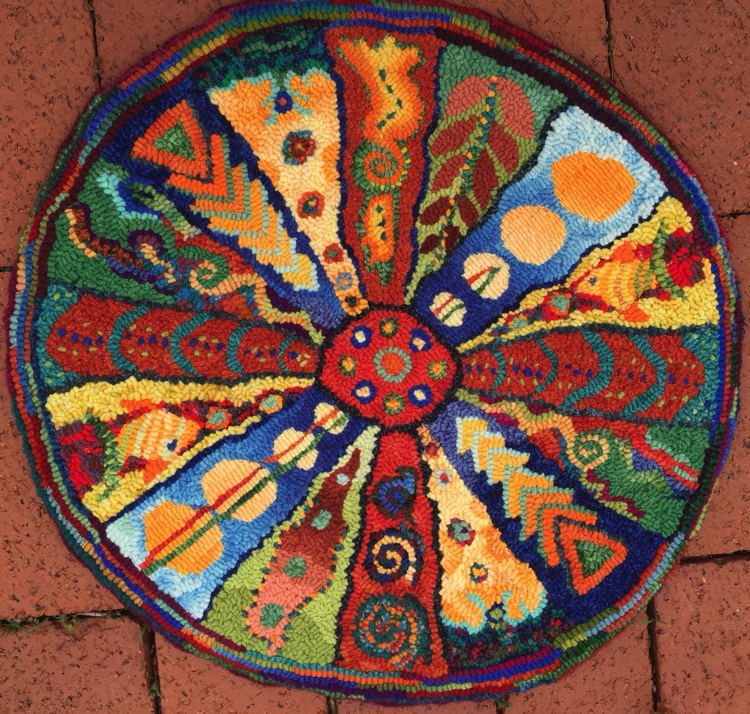
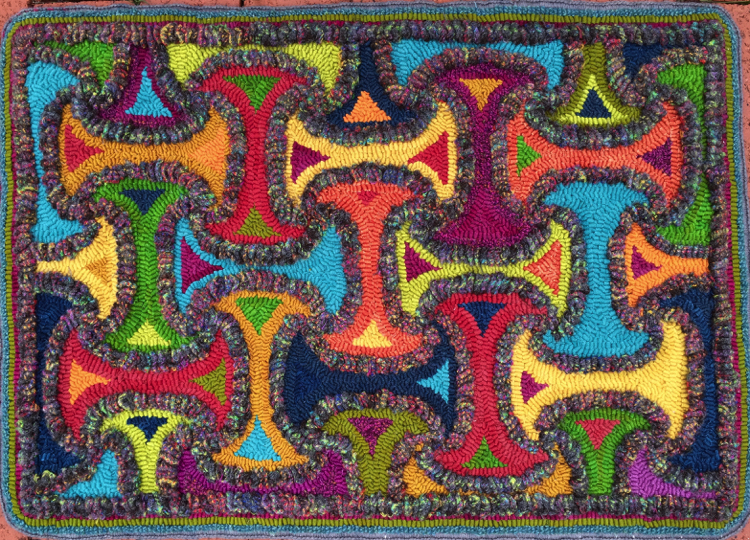
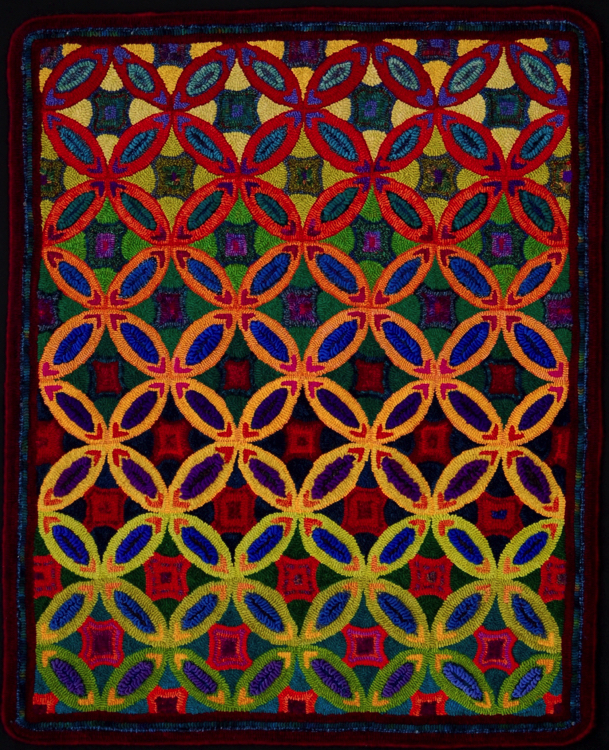
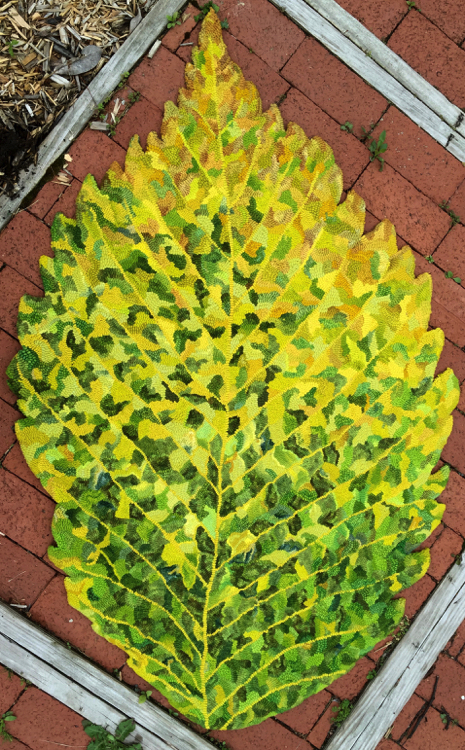
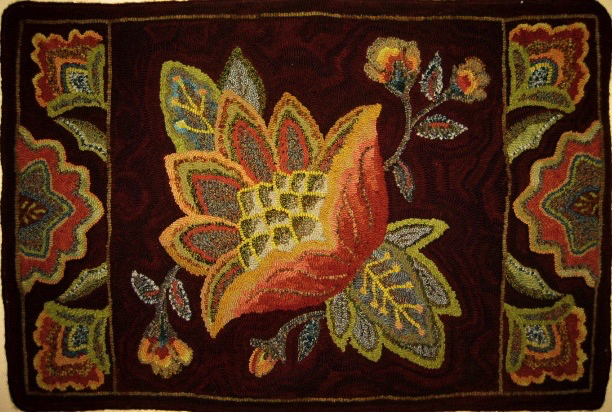
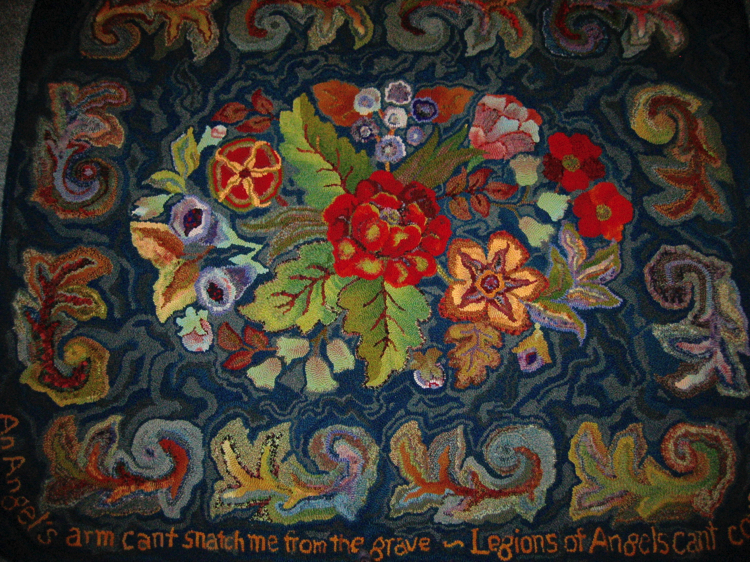
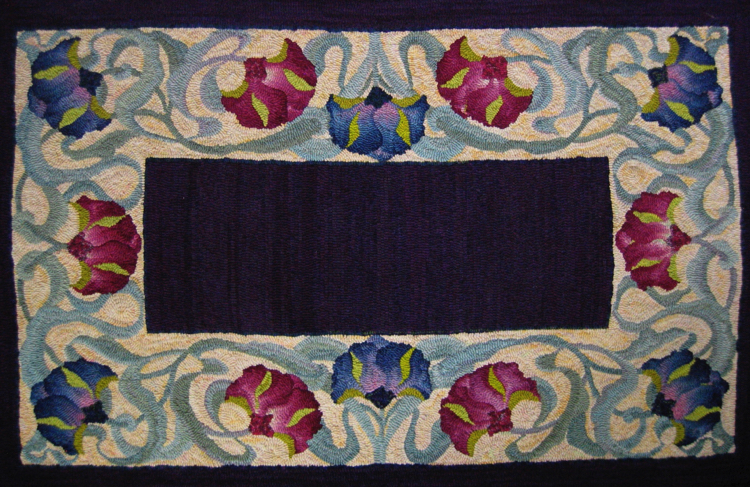
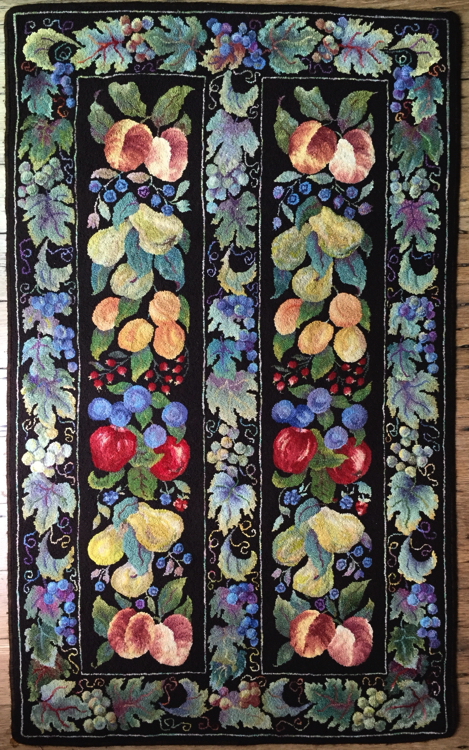
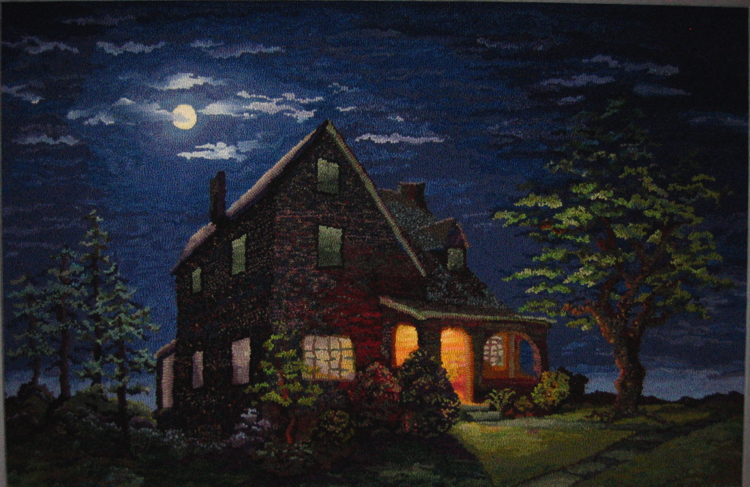
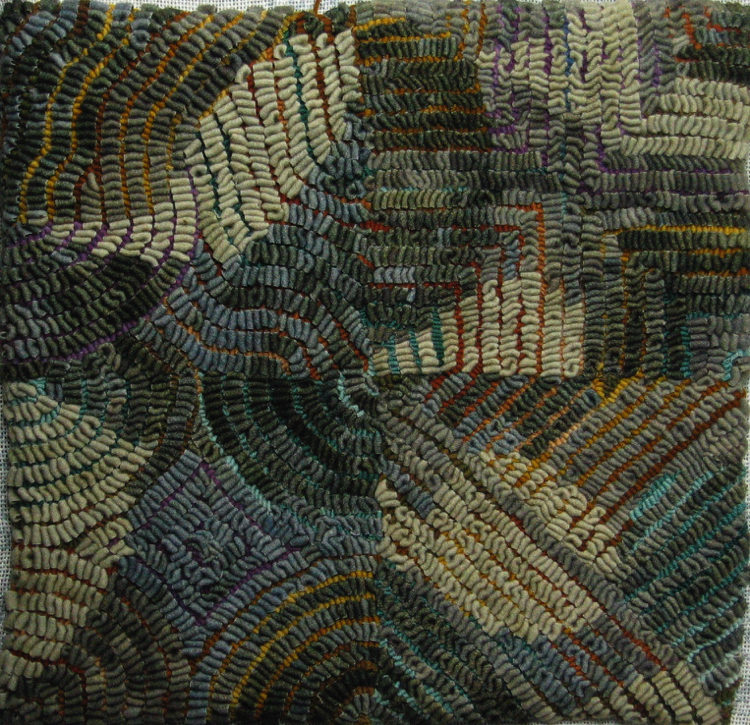
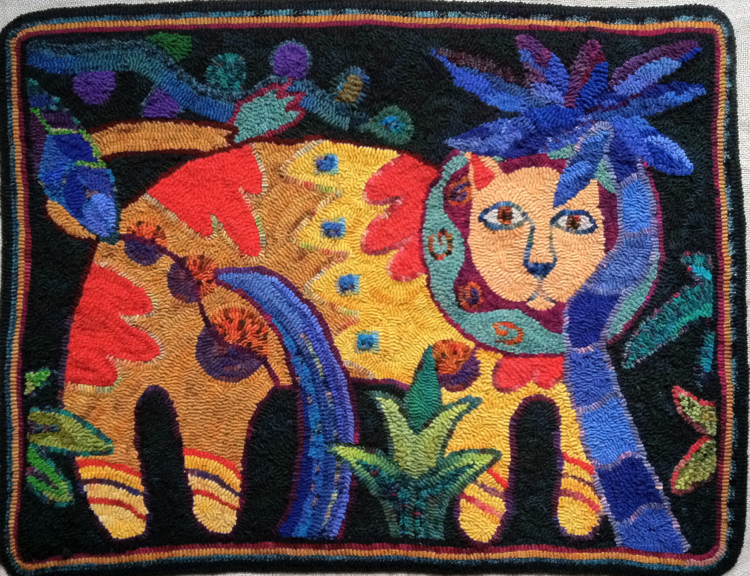
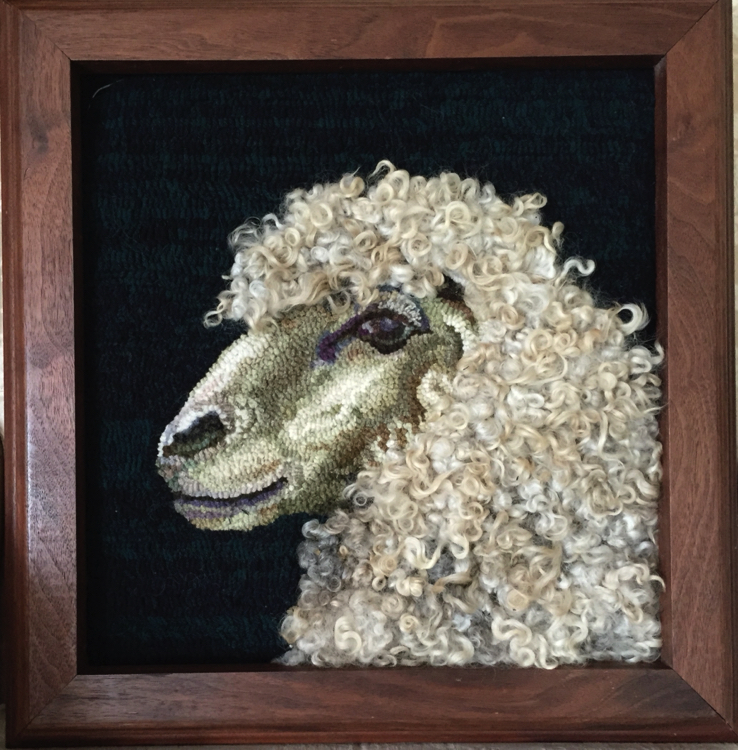
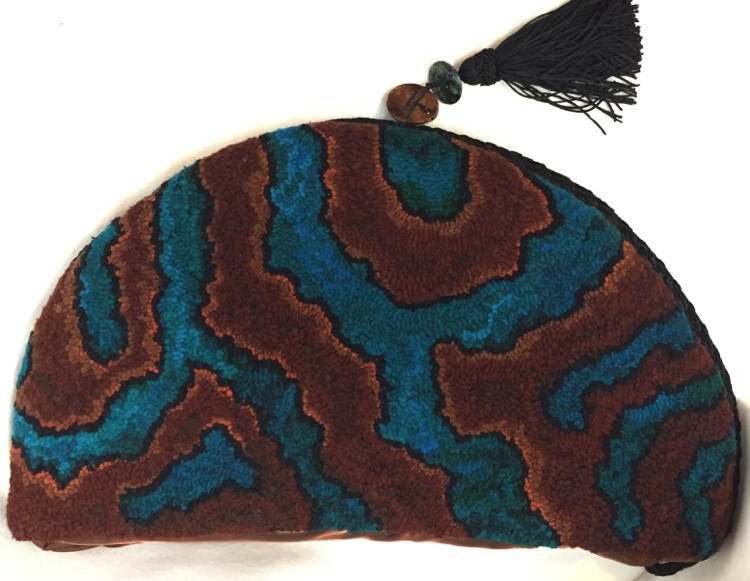
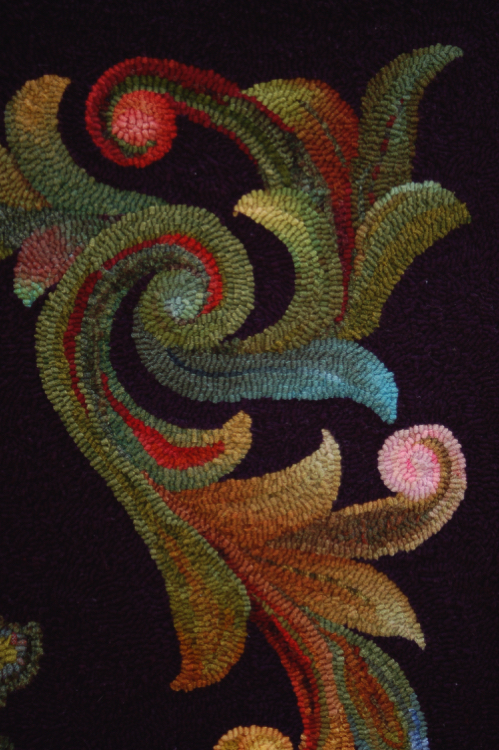
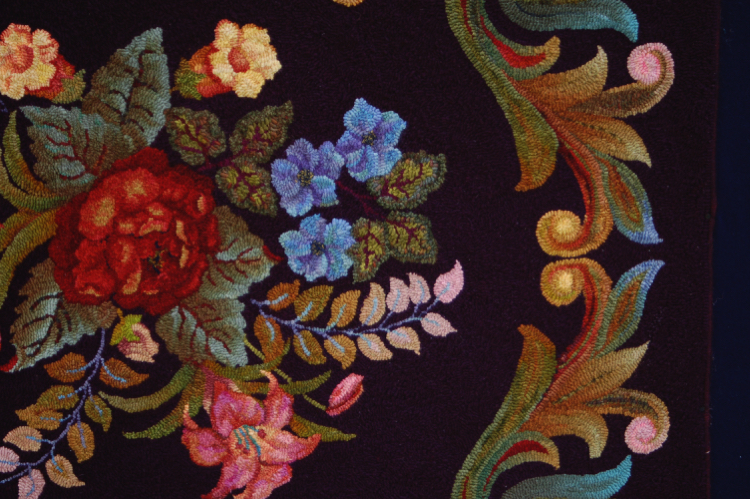
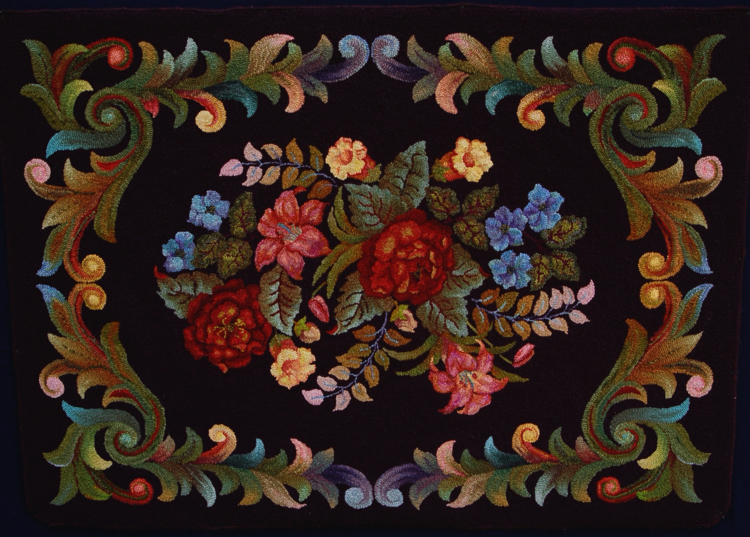
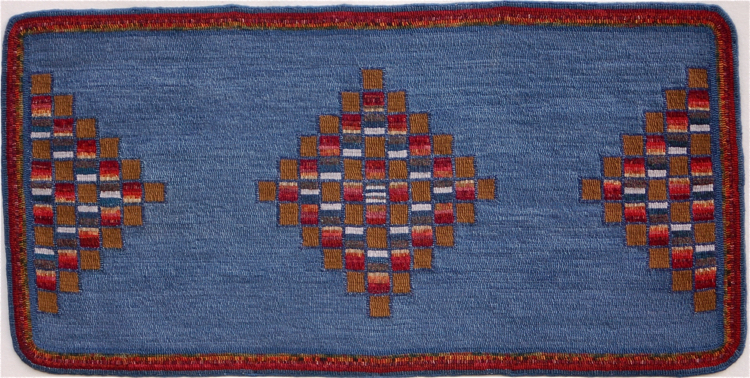
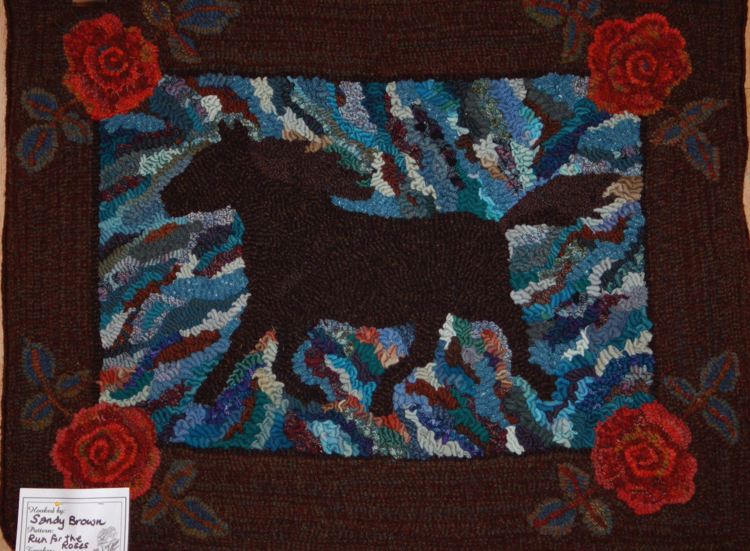
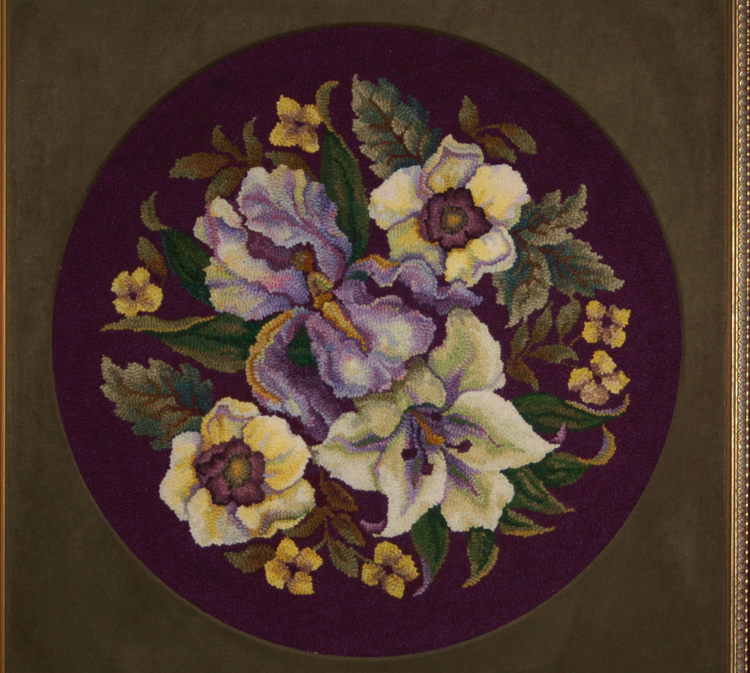
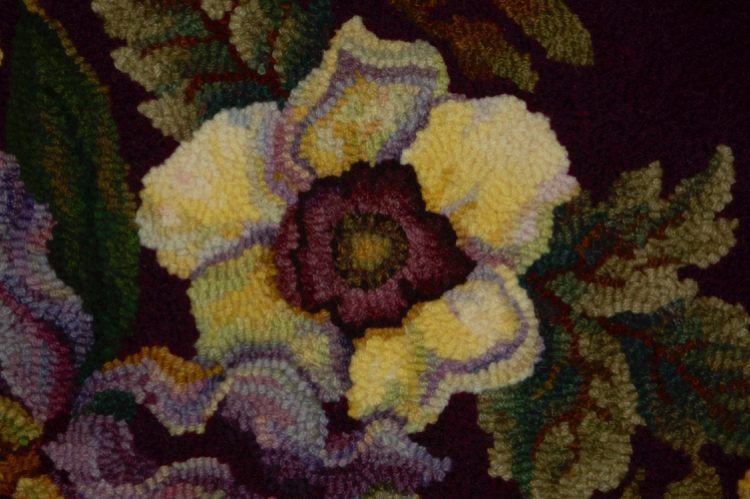
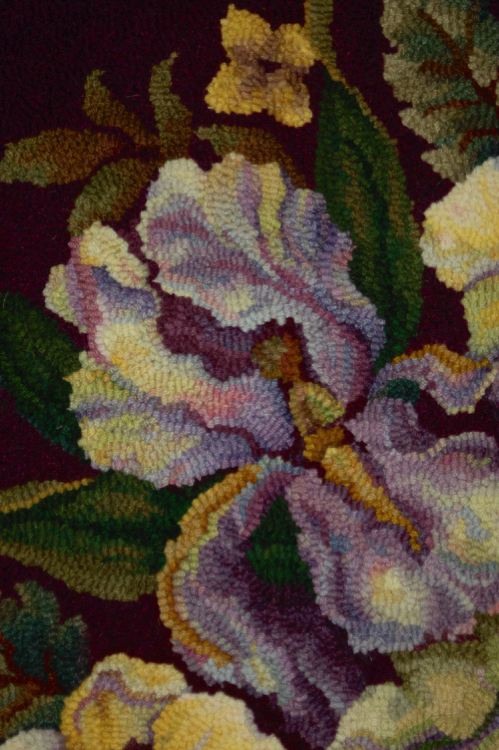
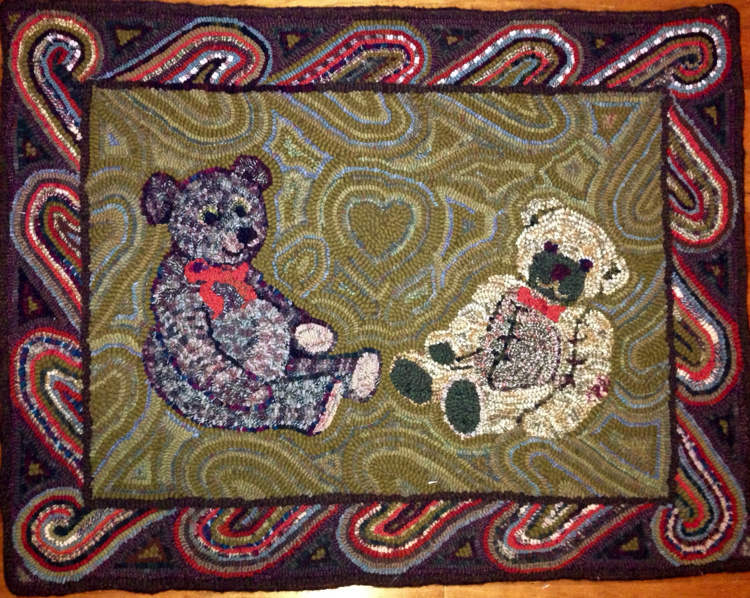
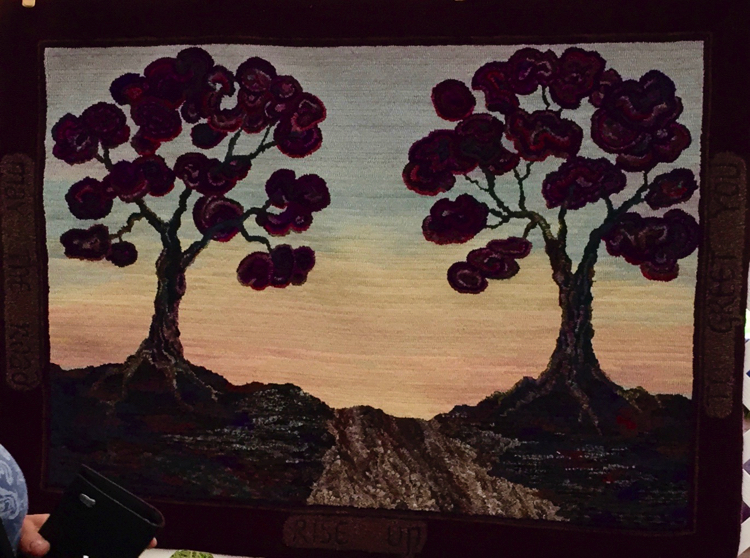
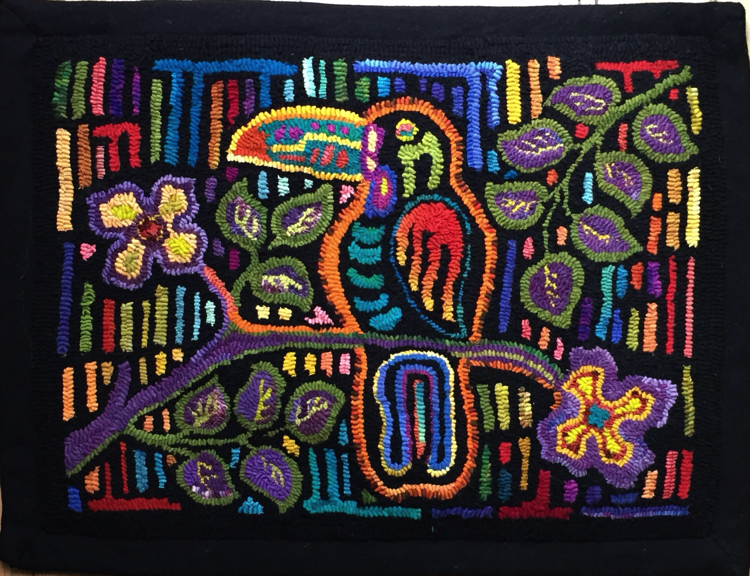
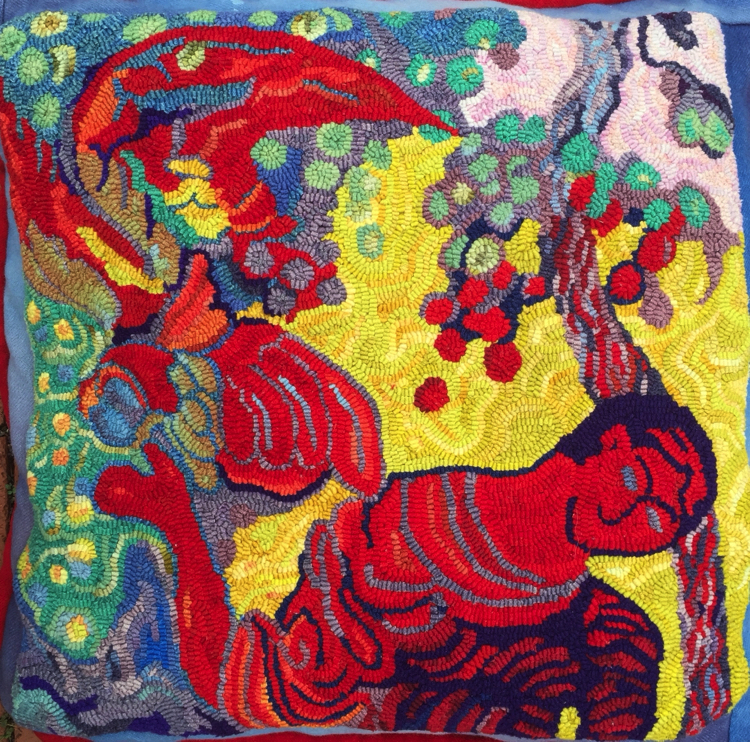
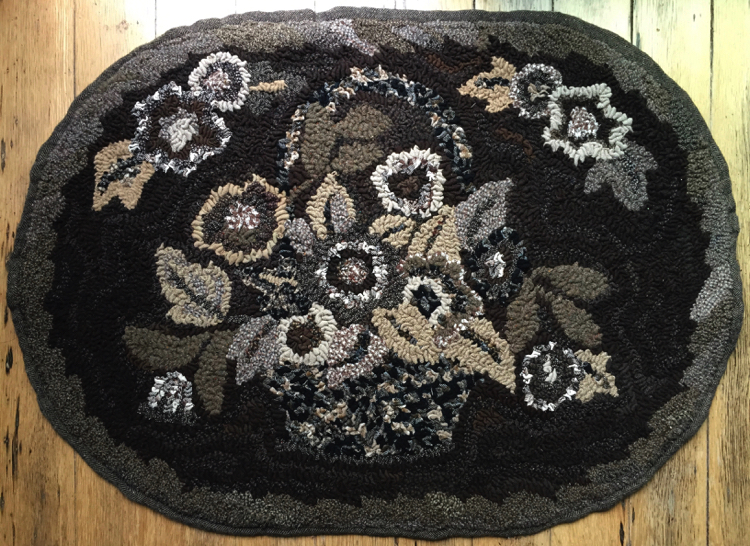
If one's taste is "primitive" then the choice is textured, soft palette wools hooked in simple, classic designs; if the preference is for delicate florals and scrolls, then the choice is hand-dyed wools in exquisite gradient colors, often picked to match a particular dècor. You can see some examples of this in my Gallery of Rugs.

Dozens of designers offer hundreds of patterns for the serious rug hooker to choose between - from Orientals to pictorials to geometrics to traditional - delivered to your door already printed on a backing (burlap, cotton cloth or linen) and ready to begin the process of being filled with luscious wools of your own choice. You can visit our Resources and Supplies page to find links to these designers. Even with the use of patterns, each creation is a unique, one-of-a-kind piece, and for the more intrepid, there is also the option of designing your own hooked rug. In both cases the final product is an heirloom the grandchildren will be fighting over.

What do you need to begin rug hooking? A backing of either burlap (rug weight works best), cotton cloth (such as monk's cloth or rug warp) or linen, a hook and some wool cut into strips to hook into your backing, and a good rug hooking frame. Rug hookers often purchase a cutter machine if they prefer an alternative to hand-cutting the wool. You can start with a pattern already printed for you by the dozens of design houses or draw your own pattern on the backing and begin choosing colors to fill the pattern. Finding other rug hookers to learn from and visit with (we call them Interesting Women here at I. W. Designs) sets you in a lovely place to make new friends and learn from fellow fiber artists.

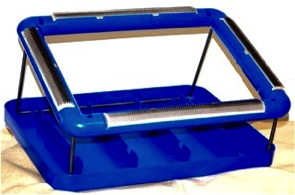
Why should you use a rug hooking frame? Because your beautiful creations deserve the best tools. Period. A good frame stretches the backing so that the rug hooker can see the holes more easily and keeps the backing taut while each loop is pulled up from below. Our acclaimed Pittsburgh Rug Hooking Frame - featured in Rug Hooking Magazine - uses gripper strips which prevent the hooked areas from being crushed or distorted like a hoop does, and makes the hooking go faster. A good frame should be portable, lightweight and sturdy - and not break the bank, even though it might be your largest single investment in rug hooking.

What about rug hooking teachers and workshops? Even though some rug hookers are self-taught, our rate of improvement increases as we stretch ourselves into our gifts and into our craft. Our workshops are an opportunity to study with teachers whose specialty areas are new to you and to receive individual instruction in a classroom setting. Typically the student is there to begin a new piece, and the combination of a gifted teacher and the presence of other rug hookers also exploring their creativity is vivifying - a gift of space for nourishing our creative energies.

Do you want to arrange a workshop in your area? Workshops on many topics or one that is custom-planned for your hooking group can be arranged for as little as $30 per student per day plus travel, room and board (accommodations at private homes preferred). Please contact me at pghframe@aol.com for further details.

- Sandra Brown


rug hooking


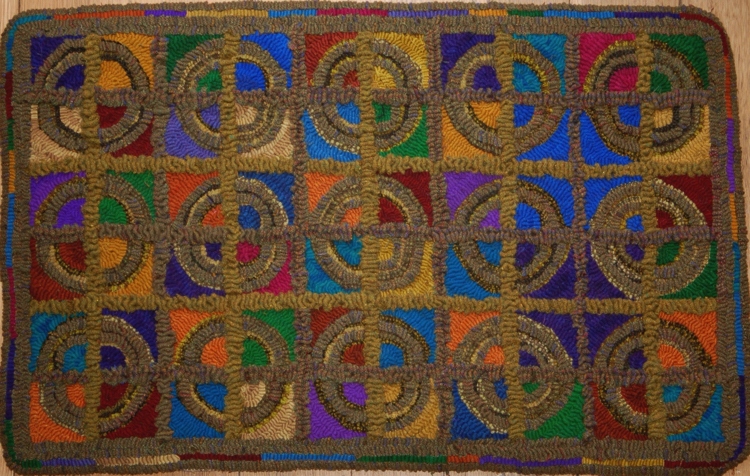
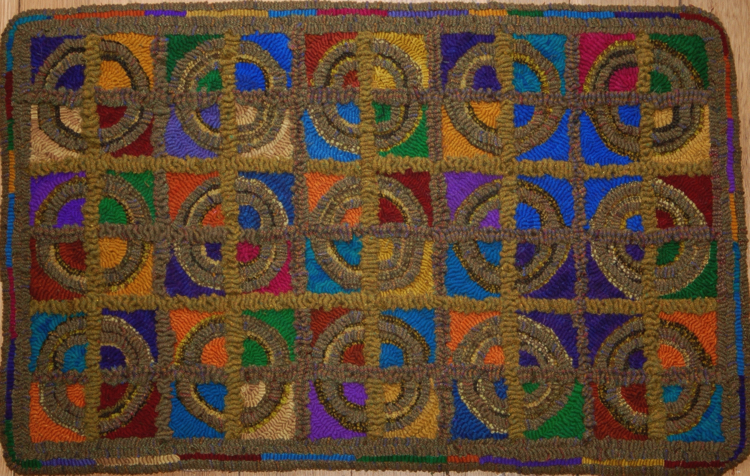
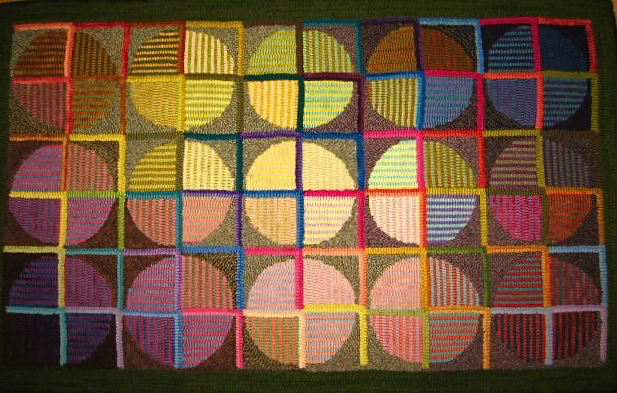
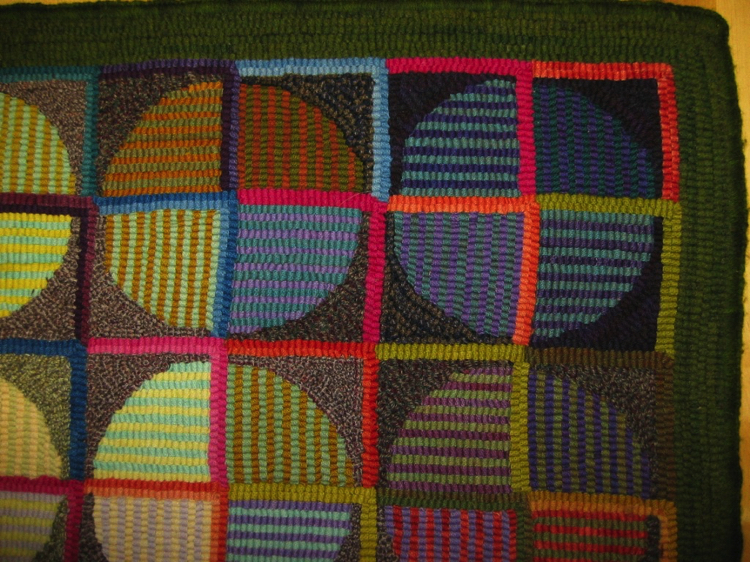
About the image for the logo on this page: Kaleidoscope - 24" x 38" - hand dyed wool (swatches and textures) on burlap - hooked rug by Sandra Brown. A simple geometric hooked rug, meant to explore color crossovers, this piece uses four different pairs of colors in each corner, changing in value as they move to the center circles. The grid overlay, using colors of higher intensity (chroma), moves in the opposite direction of dark to light. A Jane Flynn pattern, this version © 2000 by Sandra L. Brown.
rug hooking craft supplies

I W Designs

Website Content © 2004, 2005 by Sandra Brown and I.W. Designs
Sandra Brown
Web Design © 2004, 2005 by Peter Shefler and Clearstory Studios